
Why Owl Watching Matters Here
Lough Boora's peatland ecosystem is a haven for nocturnal hunters. The vast open spaces, scattered trees, and undisturbed marshlands create perfect hunting grounds for two species you're likely to encounter. We're talking about barn owls with their heart-shaped faces and short-eared owls with their distinctive yellow eyes. Both are incredible to observe, but you'll need patience and the right conditions to spot them reliably.
Barn Owls: The Silent Hunters
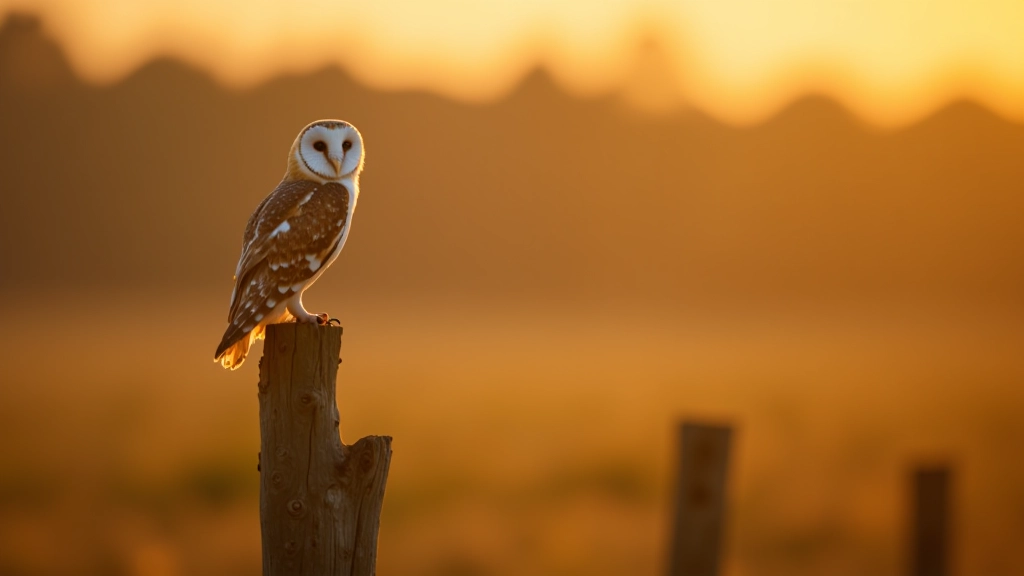
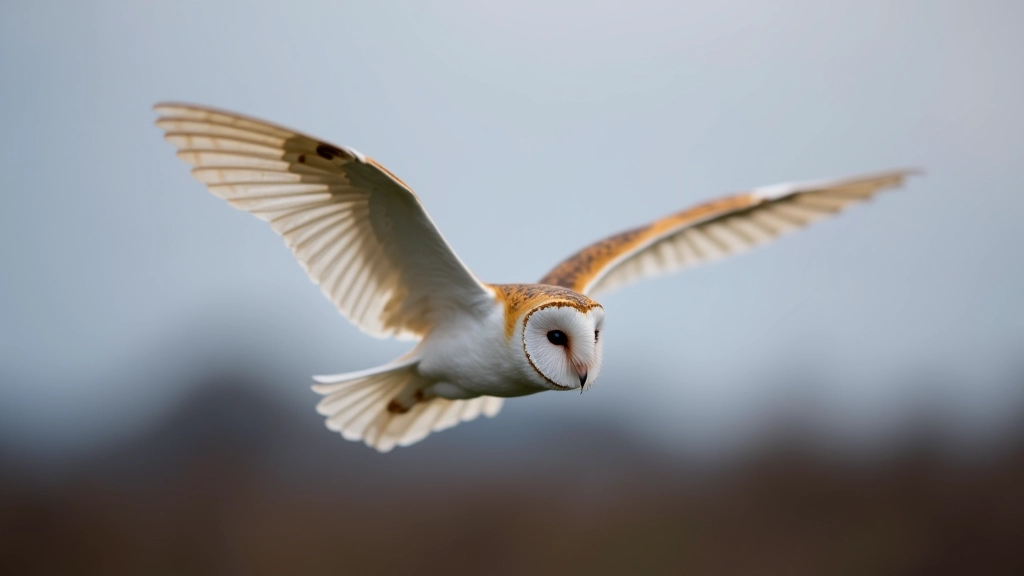
You'll recognize barn owls immediately if you're lucky enough to see one in flight. That distinctive white, heart-shaped face is unmistakable. They're medium-sized birds with golden-buff upper plumage and pure white undersides. When they're perched — which is what you'll most likely see from the boardwalk — they look almost ghostly.
Here's the thing about barn owls: they're incredibly silent. Their wings don't make a sound when they hunt, which is why they're so effective at catching small mammals. At Lough Boora, they hunt voles and shrews across the open peatland. You won't hear them coming, but you might hear their eerie shrieking calls at dusk — it's not the classic "hoo hoo" you'd expect.
- White, heart-shaped facial disc
- Golden-buff upper wings and back
- Pure white underside and face
- Silent flight — you won't hear them
- Most active from dusk onwards
Short-Eared Owls: The Daylight Hunters
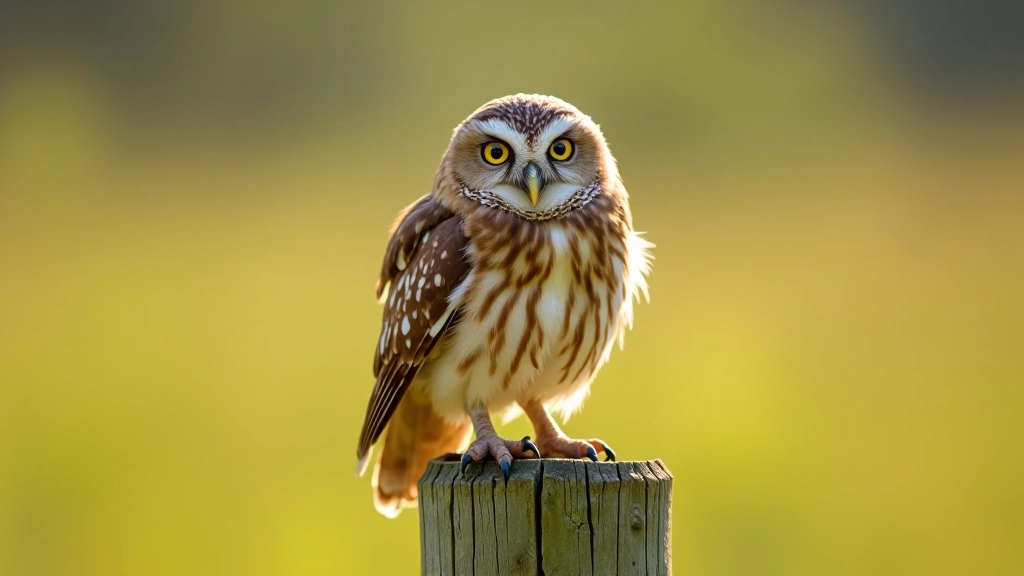
Unlike barn owls, short-eared owls are active during daylight hours — especially in winter months. This makes them much easier to spot if you're visiting in the afternoon. They're smaller and stockier than barn owls, with tawny-brown plumage and those striking yellow eyes that seem to pierce right through you.
The "short ears" that give them their name are barely visible — just small tufts you'll only notice if you're looking closely. What's more distinctive is their hunting style. They'll quarter across the open moorland in a slow, buoyant flight pattern, almost like a harrier hawk. When they spot movement, they drop suddenly to catch their prey.
At Lough Boora, short-eared owls are winter visitors. They arrive from September through March, with peak numbers in December and January. That's actually good news for you — if you're planning a winter visit, your chances of seeing one are genuinely decent.
Best Times to Watch: Seasonal Breakdown
Owl activity shifts dramatically with the seasons. Understanding these patterns means the difference between a quiet walk and an unforgettable sighting.
Spring (March-May)
Short-eared owls depart. Barn owls begin establishing territories. Visit at dusk for the best chance — they're more vocal during breeding season.
Summer (June-August)
Barn owls are present but less visible. They're focused on nesting and hunting at night. Early morning visits (5-7 AM) sometimes yield sightings as they return to roosts.
Autumn (September-November)
Short-eared owls return. Late afternoon is prime time. You'll see them hunting the open moorland as they establish winter feeding territories.
Winter (December-February)
Peak short-eared owl season. Afternoon visits are ideal — you'll often see 2-3 birds in a single visit. Barn owls hunt earlier, around dusk.
The Golden Hours: When to Actually Visit
You'll have much better success if you time your visit correctly. Here's what works: barn owls hunt most actively from about 30 minutes before sunset through the first 2-3 hours of darkness. They're crepuscular, meaning they're most active at twilight. If you're at the boardwalk around 6 PM in spring, you've got a decent window.
Short-eared owls? They're more flexible. You'll see them hunting throughout the afternoon, especially on overcast days when cloud cover dims the light. Midday is actually less productive — they prefer when there's cloud cover and softer light. Windy days are excellent too, believe it or not. Wind pushes small mammals to move around more, making them easier prey and bringing owls out to hunt.
Practical Tips for Better Spotting
Having the right approach makes a real difference. Here's what actually works at Lough Boora.
Move Slowly and Stop Often
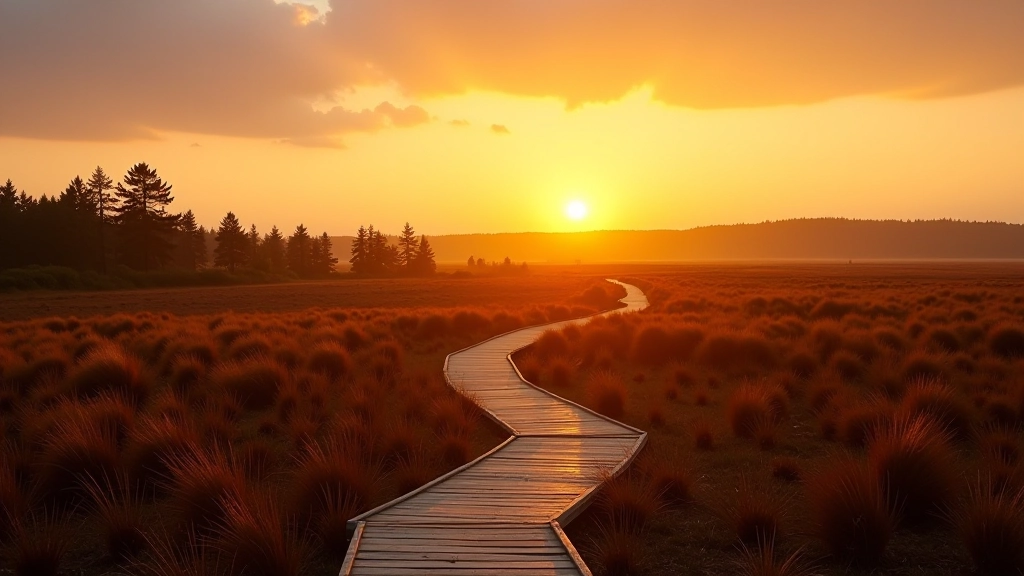
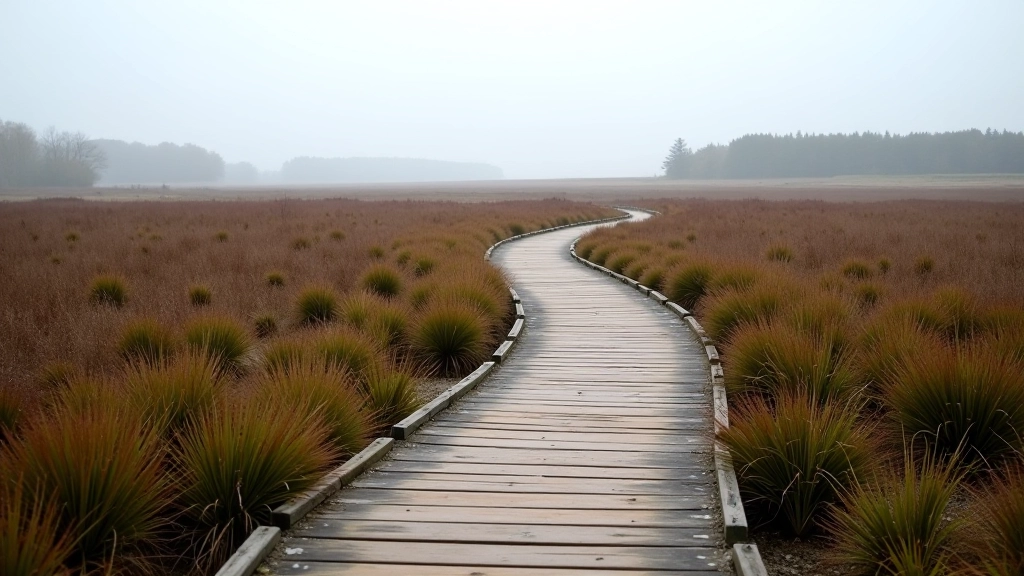
Don't walk the entire boardwalk expecting to see owls. Instead, find a good vantage point — somewhere elevated with clear views across the moorland. Stand still for 15-20 minutes. Your eyes will adjust, and you'll notice movement more easily.
Bring Binoculars
Owls can be distant. Even with good visibility, a bird 200 meters away is just a speck to the naked eye. Decent binoculars (8x42 or 10x42) will transform your experience. You'll see details that confirm identification.
Dress for Stillness
You'll be standing for extended periods. Warm layers matter, especially for winter visits. Wind-resistant outer layer is essential — peatland wind is relentless. Avoid bright colors; earth tones and grays blend better with the landscape.
Listen as Much as You Look
Barn owls make that distinctive shrieking call. Short-eared owls are quieter, but you might hear their barking "kee-kee-kee" call during territorial disputes. Sound often alerts you to owls before you see them.

Important Note
This guide is intended as educational information about owl behavior and seasonal patterns at Lough Boora. Wildlife sightings are never guaranteed — weather, time of day, and individual animal behavior all affect your chances. Always stay on designated paths and respect the wildlife. Don't approach nesting birds or use playback recordings of owl calls, which can stress the birds during critical breeding seasons. If you have specific questions about current conditions or wildlife activity, contact the Lough Boora visitor center before your visit.
Ready to Look Up at Dusk
Owl watching at Lough Boora isn't complicated, but it does require patience and good timing. You're not hunting for something rare — both barn owls and short-eared owls are present here regularly. You're simply learning to be in the right place at the right time, with your eyes and ears tuned to what's happening across the peatland.
Start with winter visits if you want better odds. Bring binoculars. Find a comfortable spot and settle in. Listen for those distinctive calls. You'll be surprised how quickly your brain learns to spot movement against the moorland backdrop. After your first sighting, you'll understand why people return to these trails again and again.